
Laser Stone And Prostate Surgeries
Laser Stone And Prostate Surgeries
Enlarged Prostate Treatment in Delhi
Do you have a weaker pee stream or wake up a lot at night to urinate? These may indicate benign prostatic hyperplasia (BPH), also referred to as an enlarged prostate, if you are over 50. Don't worry, We can help you take back control of your urinary health by providing you with cutting-edge enlarged prostate treatments.
Our skilled urologists offer individualized BPH treatment programs that include prescription drugs, minimally invasive techniques, and surgery choices based on your condition.
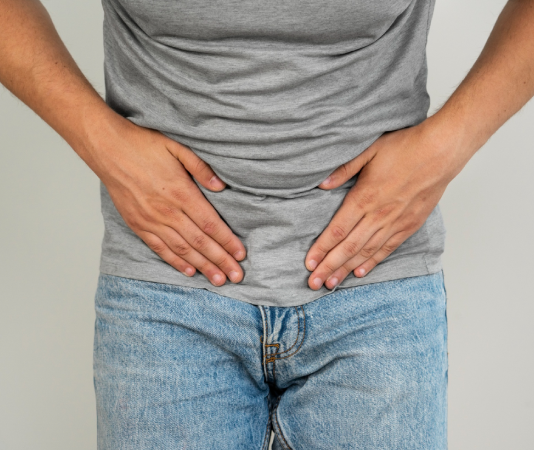
What is benign prostatic hyperplasia?
BPH is when the prostate gland grows larger, constricting the urethra and producing urine problems. Consider your prostate to be similar to a donut with a straw. The straw may narrow as the donut gets larger, making it more difficult for the liquid to pass through. Prostate gland enlargement is a natural part of ageing for many men. However, it can cause a variety of symptoms, such as weak urine stream, trouble starting to urinate, and frequent urinating.
Causes of Enlarged Prostate (BPH)
Beneath the bladder is the prostate gland. The middle of the prostate gland is traversed by the urethra, the tube that transports urine from the bladder out of the penis. The urine tube’s path becomes narrower as the prostate grows. As a result, it prevents urine flow and necessitates therapy for an enlarged prostate.
The prostate continues to expand in many men throughout their lives. However, for some men, this ongoing growth results in an enlarged prostate, which can obstruct urine flow or create other urinary problems.
Although the precise etiology of BPH is unknown, aging-related hormonal abnormalities may be the culprit. The risk may be raised by variables such as anomalies of the testicles or a family history of prostate problems. However, BPH does not occur in guys who had their testicles removed when they were young. Those who are impacted have access to treatment choices.
When Should You See a Doctor for Enlarged Prostate Treatment in Delhi?
You should speak with a Delhi BPH specialist if you’re exhibiting any of these symptoms:
- Urinating a lot: Do you have to use the restroom more frequently than usual? Frequent urination, one of the symptoms of BPH, can interfere with everyday life and cause insomnia.
- Difficulty Urinating: Do you find it difficult to get your pee flowing? Options for treating BPH can help reduce this symptom and enhance your general urinary health.
- Weak pee Stream: Do you have a weaker than normal pee stream? You can strengthen your urine stream and enhance your general urinary health with the help of enlarged prostate treatment alternatives.
- Dribbling at the End of Urination: Do you notice that your urine stream is dribbling at the end? Dribbling is one of the bothersome and unsightly symptoms of BPH, however there are efficient therapies for it.
- Feeling That Your Bladder Isn’t Empty After Urinating: After using the restroom, do you feel as though your bladder isn’t completely empty? Options for treating BPH can help reduce this symptom and enhance your general urinary health.
Your doctor has heard it all before, so don’t be afraid to talk to them about these problems. Early treatment can significantly improve your quality of life. Medication, lifestyle modifications, and surgery are all possible treatments for BPH, and your healthcare provider can help you choose the one that will work best for you.
What is the best treatment for benign prostatic hyperplasia?
Surgery may be the best course of action in extreme situations or when no other treatments have been successful. Transurethral resection of the prostate (TURP) is the most popular procedure. In order to reduce pressure on the urethra, a portion of the prostate tissue is removed.
Vigilant Awaiting
Your doctor might advise a “wait and see” strategy for minor BPH symptoms. This entails routine examinations to track your health. You can experiment with various lifestyle adjustments in the interim:
Modifications to Lifestyle for Mild BPH Symptoms
- Limit evening fluid intake: To cut down on overnight bathroom visits, avoid consuming excessive amounts of water right before bed.
- Alcohol and caffeine: can aggravate the bladder and exacerbate the symptoms of BPH, so stay away from them.
- To make sure you’re completely emptying: your bladder, practice double voiding by urinating, waiting a short while, and then trying again.
- Keep your weight in check: Being overweight might exacerbate the symptoms of BPH by putting strain on your bladder.
Benign prostatic hyperplasia medication
Medication may be helpful if your BPH symptoms are more bothersome. There are mostly two kinds:
- Alpha-Blockers: These drugs improve urine flow by relaxing the muscles in the neck and prostate.
- 5-Alpha Reductase Inhibitors: These medications reduce prostate size by blocking hormone alterations that lead to prostate growth.
Your doctor might prescribe one or both types, depending on your situation.
Minimally invasive treatments
Several non-major surgery treatments can help with mild to severe symptoms:
- Transurethral needle ablation (TUNA): This procedure reduces extra prostate tissue by using radio waves.
- Transurethral microwave therapy (TUMT): Excess prostate tissue is destroyed using microwave energy.
- Prostatic urethral lift: The enlarged prostate is raised and held out of the way with tiny implants.
- Water vapor thermal treatment (Rezūm): This method safely removes extra prostate tissue.
- Transurethral incision of the prostate (TUIP): This procedure relieves pressure on the urethra by making precise incisions in the prostate.
You can return home the same day after receiving these treatments, which are frequently performed in an outpatient setting.