
Bariatric Surgery & Weight Loss Procedures
Bariatric Surgery & Weight Loss Procedures
Bariatric Surgery in Delhi
One medical procedure that helps people with obesity lose weight over the long run is bariatric surgery. It limits food intake and decreases calorie absorption by changing the digestive tract. Delhi offers a number of cutting-edge surgical procedures, such as adjustable gastric banding, sleeve gastrectomy, and gastric bypass. Significant weight loss and improvements in obesity-related disorders such type 2 diabetes, hypertension, and sleep apnea can result with bariatric surgery.
What is bariatric surgery?
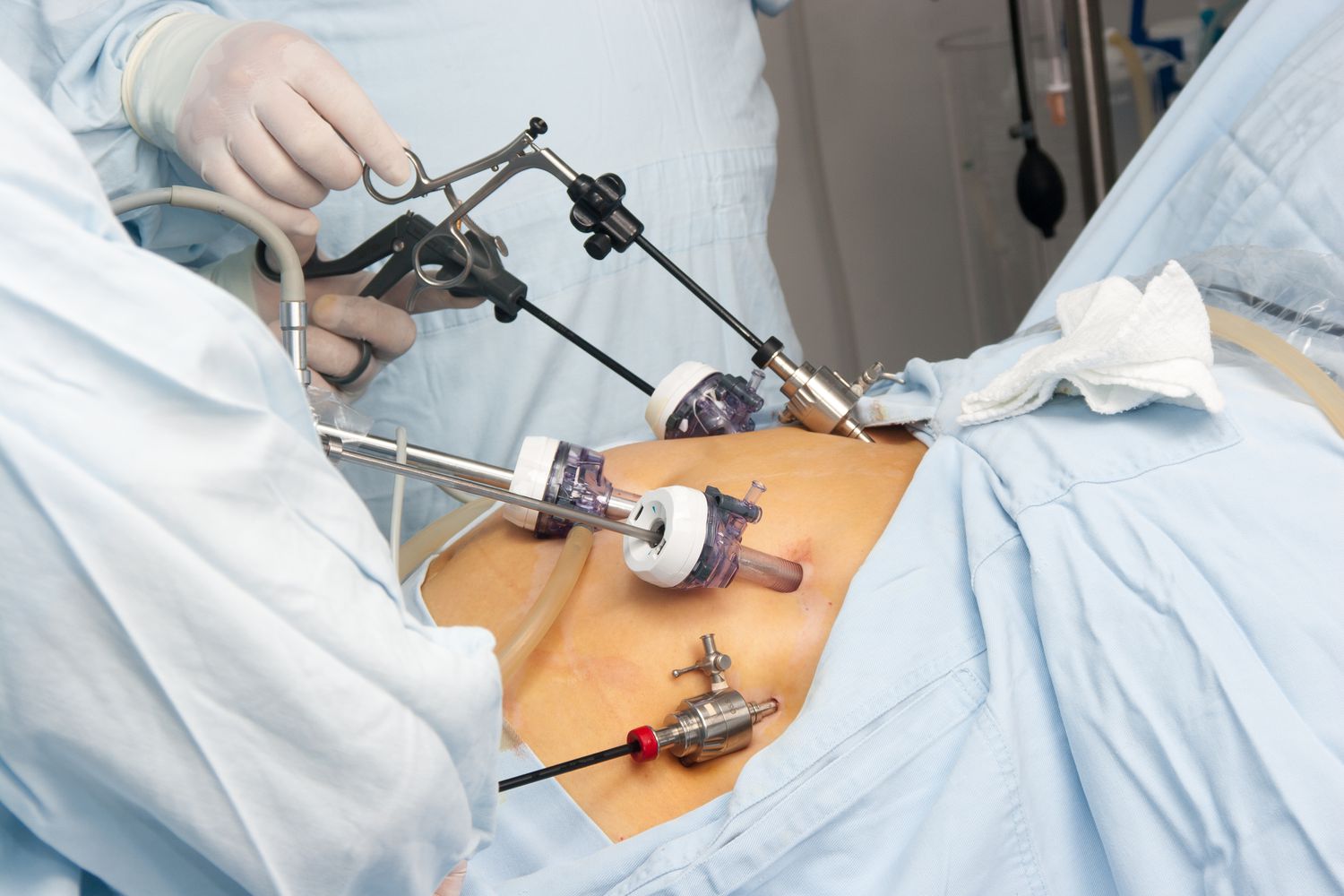
By altering how the stomach and digestive system function, bariatric surgery is a type of procedure that aids in weight loss. Following the procedure, patients eat less, absorb fewer calories, and feel fuller more quickly. It helps with health issues including diabetes, high blood pressure, and sleep problems in addition to making you seem thinner.
Best Bariatric Weight Loss Surgery Options in Delhi
SCI Hospital Delhi offers a variety of bariatric surgery procedures. Every choice is tailored to your unique requirements.
- Gastric Bypass: creates a tiny pouch in your stomach and joins it to the small intestine through a gastric bypass. This reduces the amount of calories you consume and absorb.
- Stomach Reduction: To help you feel fuller more quickly, the doctor removes a significant portion of your stomach.
- Adjustable Gastric Band: To promote fullness with less meals, a band is put around the upper portion of your stomach.
- Biliopancreatic Diversion with Duodenal Switch (BPD/DS): This more complicated procedure lowers calorie absorption and meal consumption.
Before choosing a procedure, it is crucial to speak with a skilled surgeon and go over the advantages and disadvantages of each one.
Why is Bariatric Surgery Done?
When dieting, exercising, or taking medication have failed to reduce a person’s weight, bariatric surgery is performed. Additionally, it is carried out when obesity results in major health issues such as:
- Type 2 Diabetes Mellitus:
- High blood pressure
- Sleep apnea
- Heart disease
- Joint pain
Your doctor can recommend bariatric surgery in Delhi as a safe and beneficial option if your weight is negatively impacting your everyday life and health.
How Much Weight Do You Lose with Bariatric Surgery?
You should be aware of the following regarding the expected weight loss following bariatric surgery:
- Weight Loss Is Customized: Following bariatric surgery, there is no set amount of weight loss. Weight loss following surgery is influenced by numerous factors. These consist of the kind of surgery, such as gastric banding, sleeve gastrectomy, or bypass. Your initial weight and metabolism are also important. Additionally, it’s critical to adhere to dietary recommendations both before and after surgery. Individual responses differ, as do the ways in which each procedure operates.
- Long-Term Dedication Is Crucial: Bariatric surgery is not a panacea; it is a tool. Maintaining weight loss requires your commitment to long-term lifestyle changes. Consider surgery as the first step; sustained work produces long-lasting effects.
- Prioritize Health Over Weight: Diabetes, sleep apnea, and high blood pressure can all be improved by losing weight. Turn your attention to better health, more vitality, and total wellbeing.
- Continued Work Is Necessary for Long-Term Weight Loss: Adopting a healthier lifestyle is necessary to sustain weight loss over the long run. This include following the suggested diet, getting regular exercise, going to support groups, and consulting medical professionals for advice. Following surgery, these adjustments are essential for maintaining weight loss. It’s a continuous process rather than a final destination. Making consistent, healthful decisions is essential to achieving and sustaining your objectives and reaping the full rewards of bariatric surgery.
F.A.Q.
Because bariatric surgery is done under anesthetic, you won't experience any pain. Following surgery, some soreness is common but treatable with medicine, and it normally goes away in a few days.
Within six to twelve months of surgery, the majority of patients start to lose weight. The type of operation and your dedication to leading a healthy lifestyle will determine the precise pace.
Depending on the operation and each patient's healing process, most patients can resume their regular activities in 2 to 4 weeks. A successful recovery depends on you adhering to your surgeon's post-operative care instructions.